
Fellowship Testimonials
Madeline Sachs – Current Skadden Fellow, 2025-2027
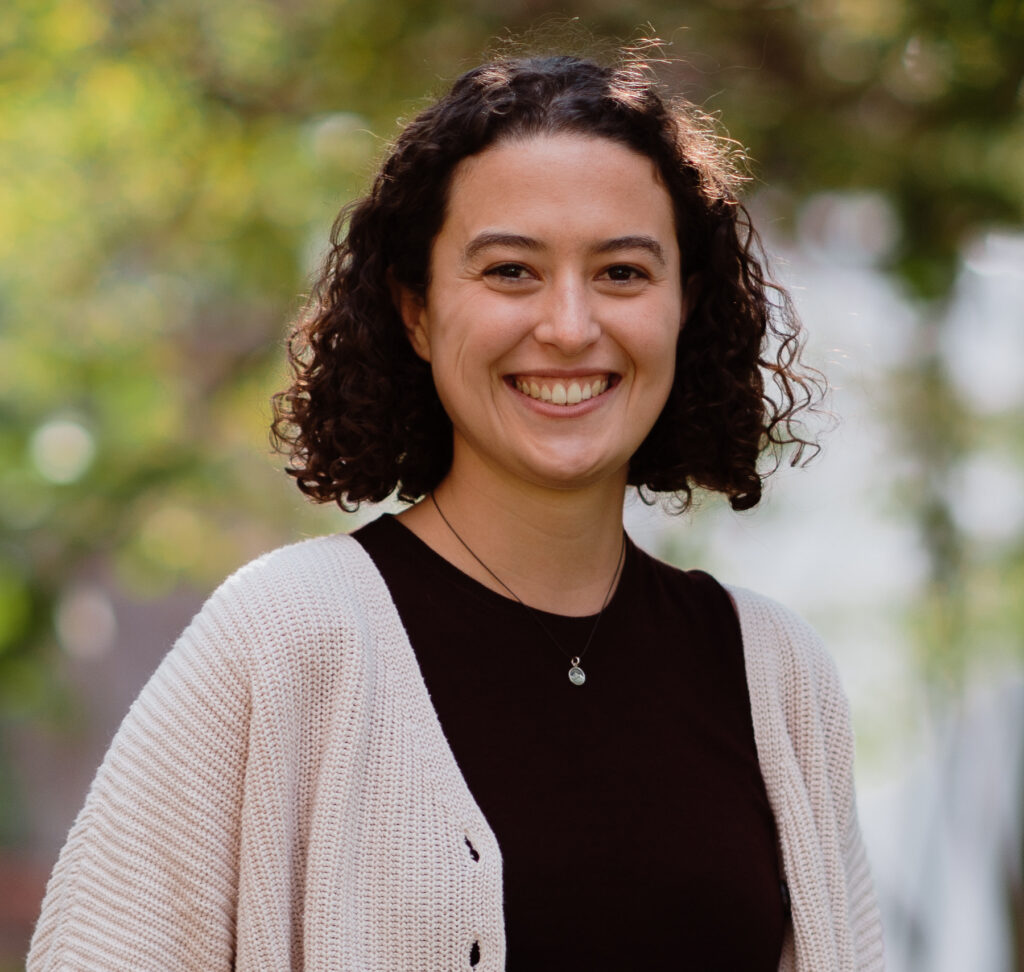
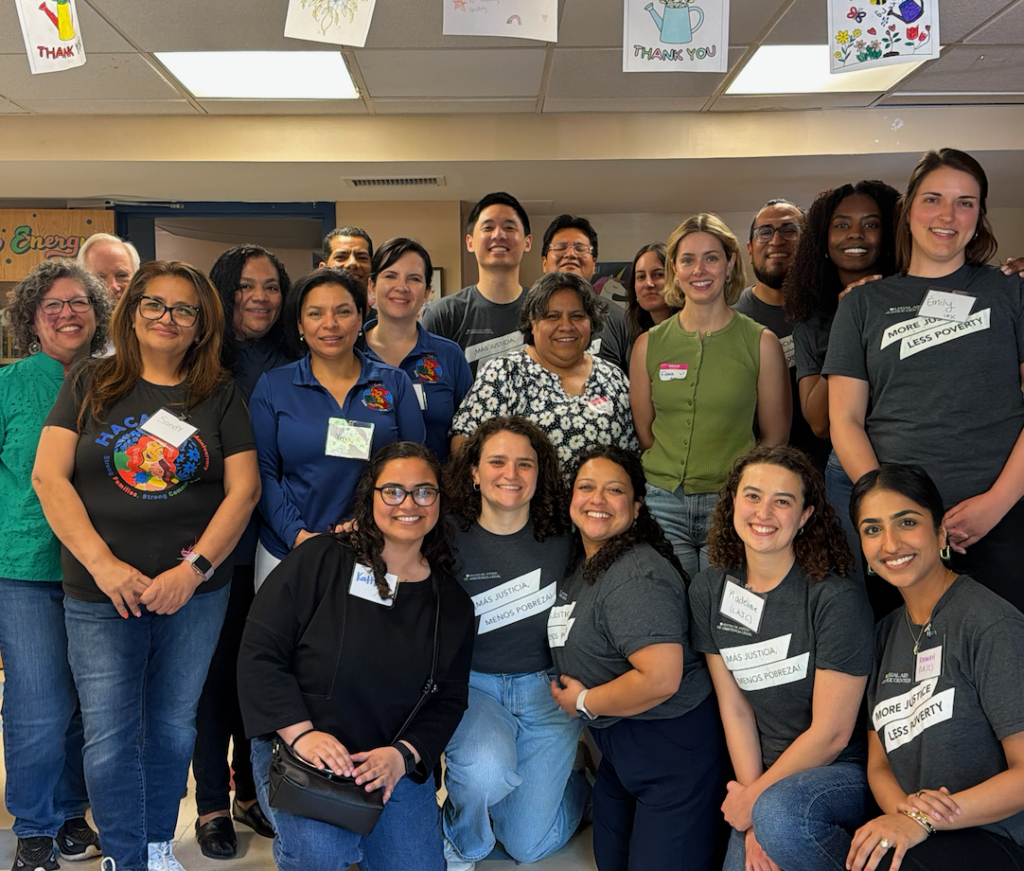
What has your fellowship experience been like?
I started my fellowship at LAJC in September 2025, in the midst of significant upheaval in the immigration system and attacks against immigrant community members. As a fellow, I was quickly incorporated into the Immigrant Justice Program’s ongoing rapid response efforts, trained in drafting habeas corpus petitions in order to assist individuals seeking release from detention, and given opportunities to assist community members at every stage of their proceedings—from asylum and bond hearings to habeas petitions to policy work at the General Assembly and ongoing conversations about impact litigation.
LAJC’s core mission centers the needs of community members, and as a fellow, I am developing skills as a community-centered advocate. Despite the ongoing challenges in the immigration system at the local and federal level, working as a fellow at LAJC has been a great place to learn and grow as a new lawyer.
How did your fellowship experience translate into full-time employment?
Through my fellowship, I am learning and developing a wide array of skills that will translate to any future employment. As a fellow, I am frequently in court developing my brief-writing and oral advocacy skills. I have also become immersed in federal habeas corpus practice and am learning the nuts and bolts of building impact cases. I am confident these skills will easily translate into full-time employment, whether at LAJC following my fellowship or elsewhere.
Ruby Cherian – Equal Justice America Fellow, 2023-2025
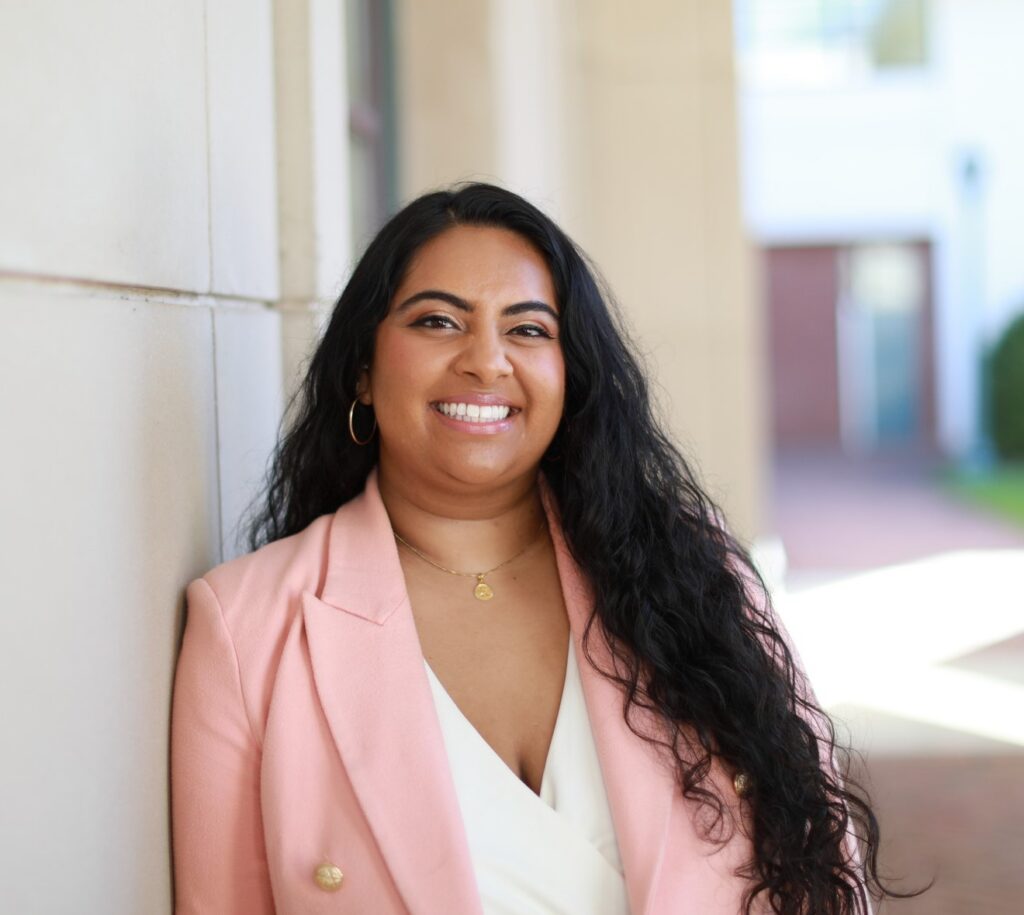
What was your fellowship experience like?
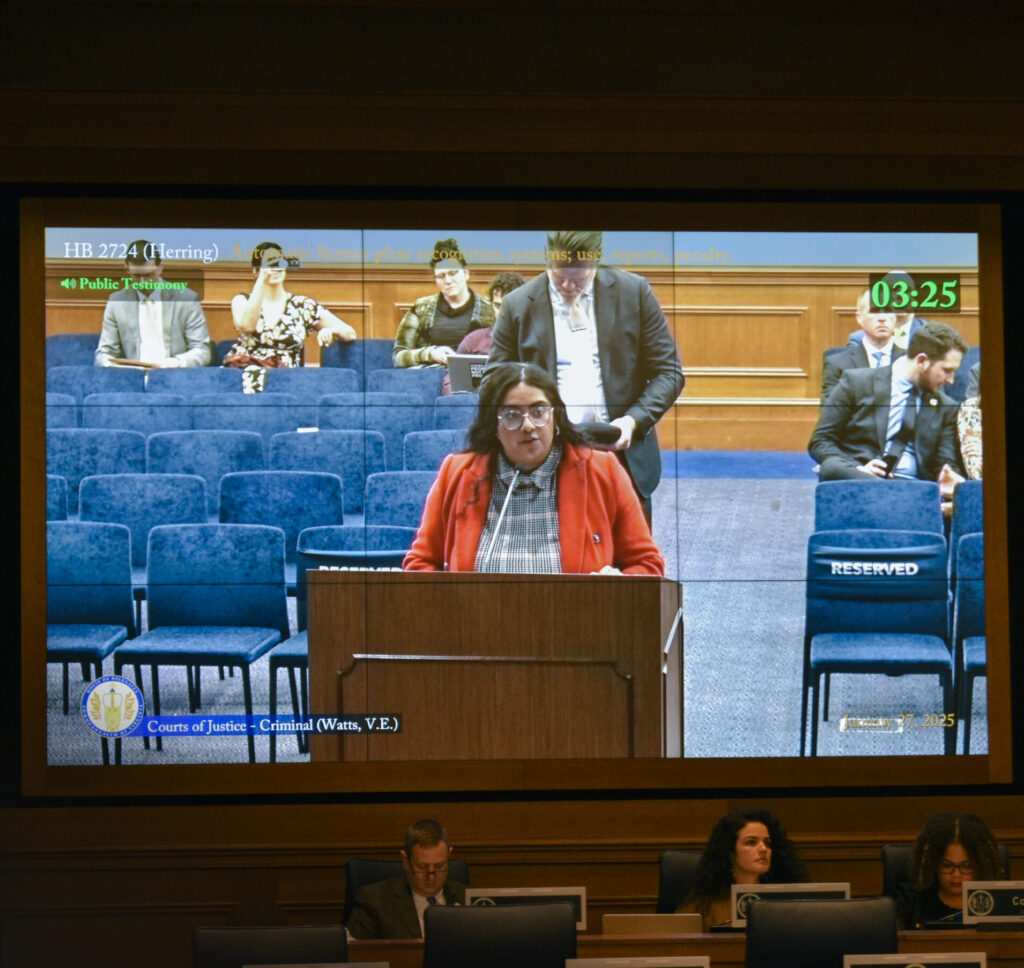
I was a fellow in the Civil Rights and Racial Justice Program for two years, working on a variety of criminal legal issues. A significant part of work focused on prison conditions. I served as part of plaintiffs’ counsel in Scott v. Robinson, a class action representing incarcerated folks at Fluvanna Correctional Center for Women (FCCW) in their lawsuit for constitutionally adequate medical care. I visited clients monthly at FCCW, conducted legal calls, and wrote reports to our compliance monitor. I also engaged in community law, working alongside organizer, Harold Folley, Jr., and The People’s Coalition in Charlottesville to oppose a proposed $73 million expansion of the Albemarle-Charlottesville Regional Jail. I drafted talking points, provided research, coordinated a rally, and spoke with the press. In addition, I worked on state policy initiatives, particularly around prison conditions and surveillance. I advocated for stronger privacy protections against the use of automatic license plate reader (ALPR) surveillance technology used by law enforcement, to stop the practice of shackling pregnant folks in jails, and for temperature control in Virginia prisons–seven of which lack air conditioning. I also supported individual clients with court fines and fees issues by helping reduce the impact of collections and jury fees to allow my clients to reenter society without the weight of debilitating debt.
How did your fellowship experience translate into full-time employment?
Before my two-year fellowship ended, I was offered a full-time position at LAJC. I happily accepted and transitioned into a staff attorney role in September 2025!
Majesta-Doré Leginini – Equal Justice Works, 2022-2024
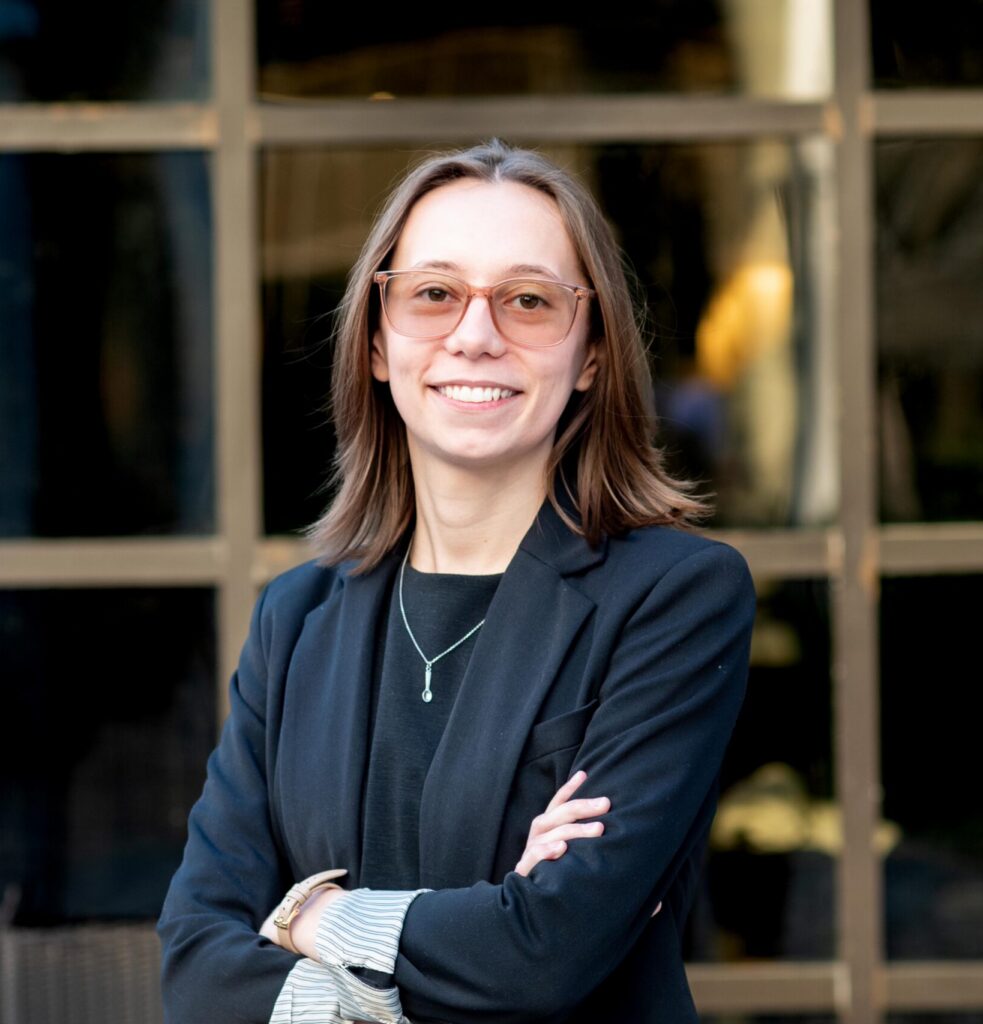
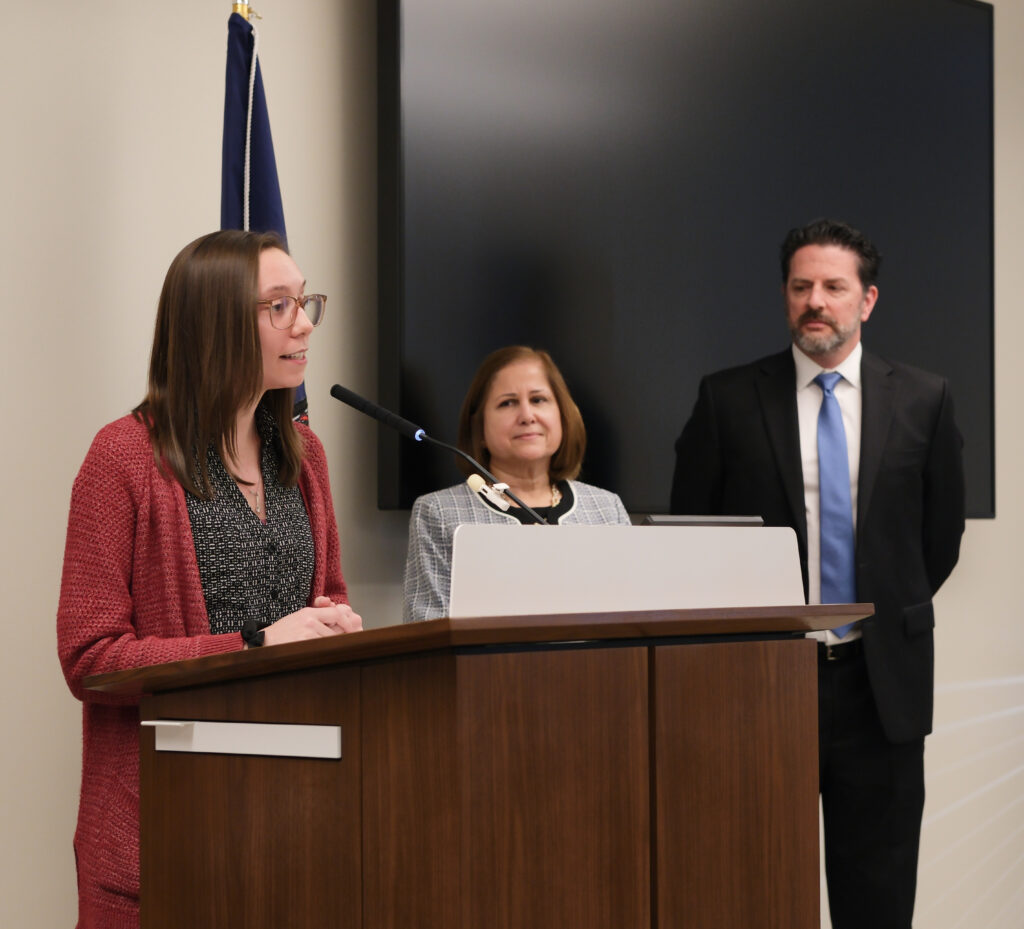
What was your fellowship experience like?
The most exciting thing about my fellowship is that I essentially got to design my dream job straight out of law school! Early on, I had to engage in strategic thinking about service needs. It required a lot of learning on the spot and forced me to develop expertise in areas that I had never worked on before. Overall, my fellowship was my introduction to the breadth and scope of legal aid and public benefits issues.
How did your fellowship experience translate into full-time employment?
At the end of my fellowship, I was lucky enough to be offered a full-time staff attorney position at LAJC in the program where I was a fellow. Working towards that transition, my supervisor and I had several conversations about my interest in staying on, my interest in certain work (litigation vs policy for example), and the different demands that come from a staff attorney role rather than working as a fellow. Fellows focus much more on their specific project and design, so, depending on workload capacity, may have to be more selective about their specific role in the broader work that the program takes on. As a staff attorney, I can broaden my focus while continuing to do all the things that I loved about my fellowship.
Larisa Zehr – Equal Justice Works and Skadden, 2021-2023
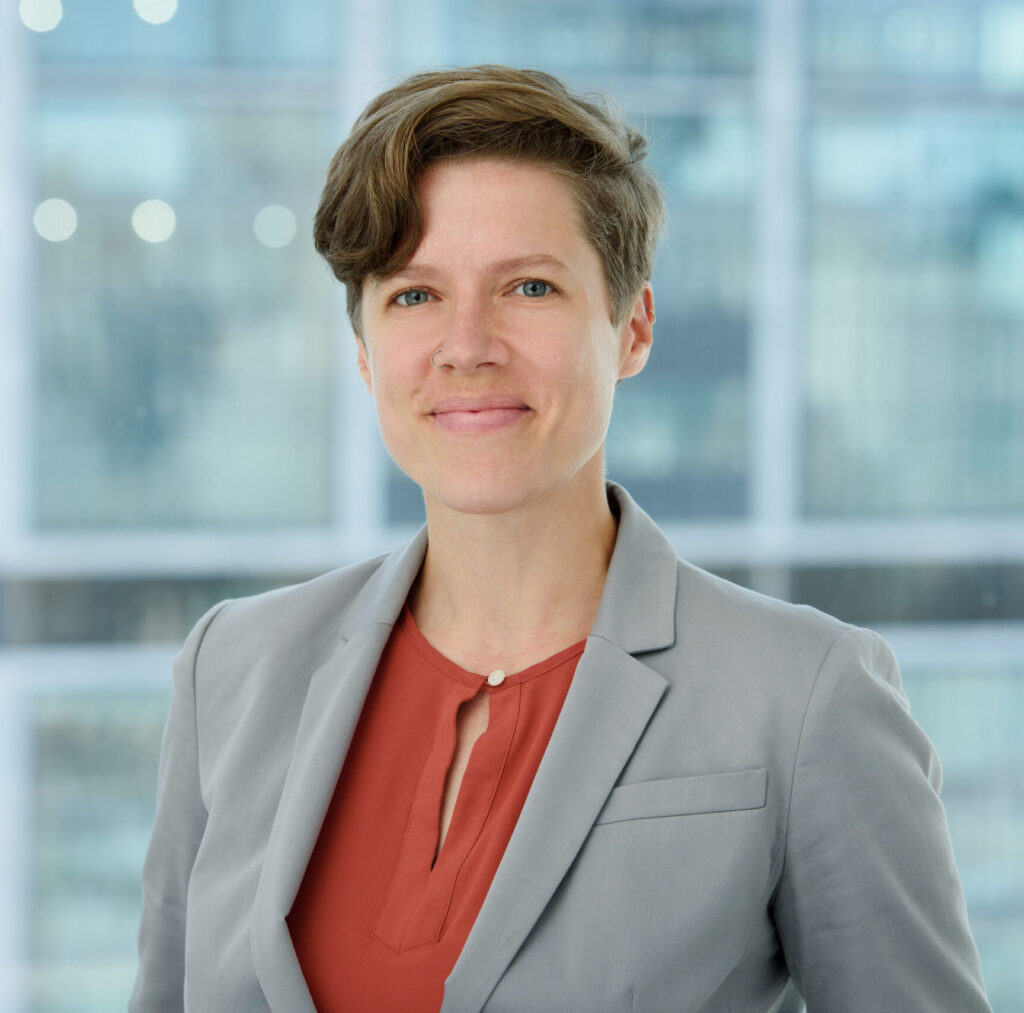
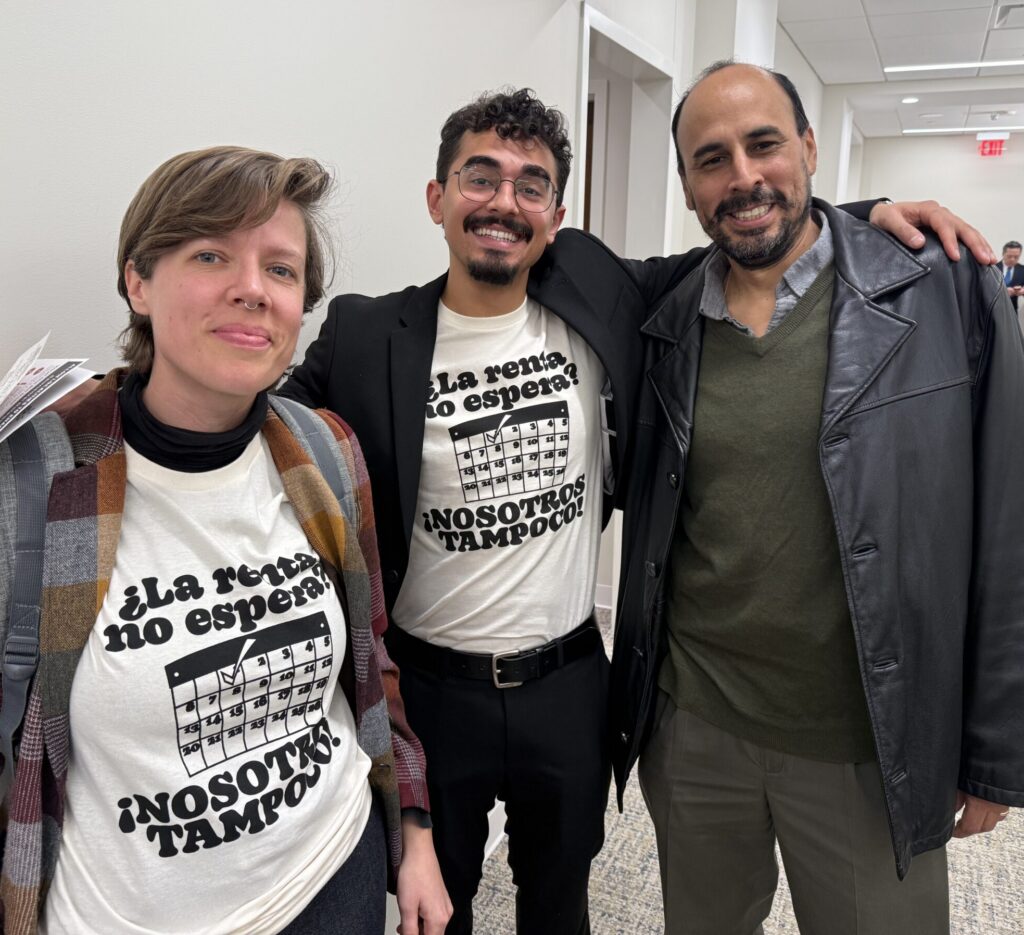
What was your fellowship experience like?
My fellowship was an extraordinary opportunity to support the long-time organizing of immigrant communities in Northern Virginia for housing justice and against displacement from their homes. I worked closely with community partners and was able to bring creative legal and non-legal tools to support their work: from direct representation in eviction court to impact litigation to local level advocacy aimed to change housing policy, lift immigration status restrictions on housing programs, and direct more funding toward long-term deeply affordable housing. My fellowship also gave me flexibility to expand LAJC’s work to build community power for housing justice and anti-displacement efforts.
How did your fellowship experience translate into full-time employment?
Through my fellowship, I partnered with tenants, organizers, and advocates across Northern Virginia. This gave me a deep understanding of housing injustice for immigrant communities and opened up ideas for further advocacy. I also built up skills that prepared me to step into new roles at LAJC. For example, my local level policy advocacy helped me understand Virginia’s legal constraints and what tenant-led policy change looks like, which prepared me for my current role as one of LAJC’s co-leads for our statewide housing legislative advocacy.
